
BachelorFashion.
Bachelor in Fashion Styling and Techniques
“From creativity to fashion expertise”
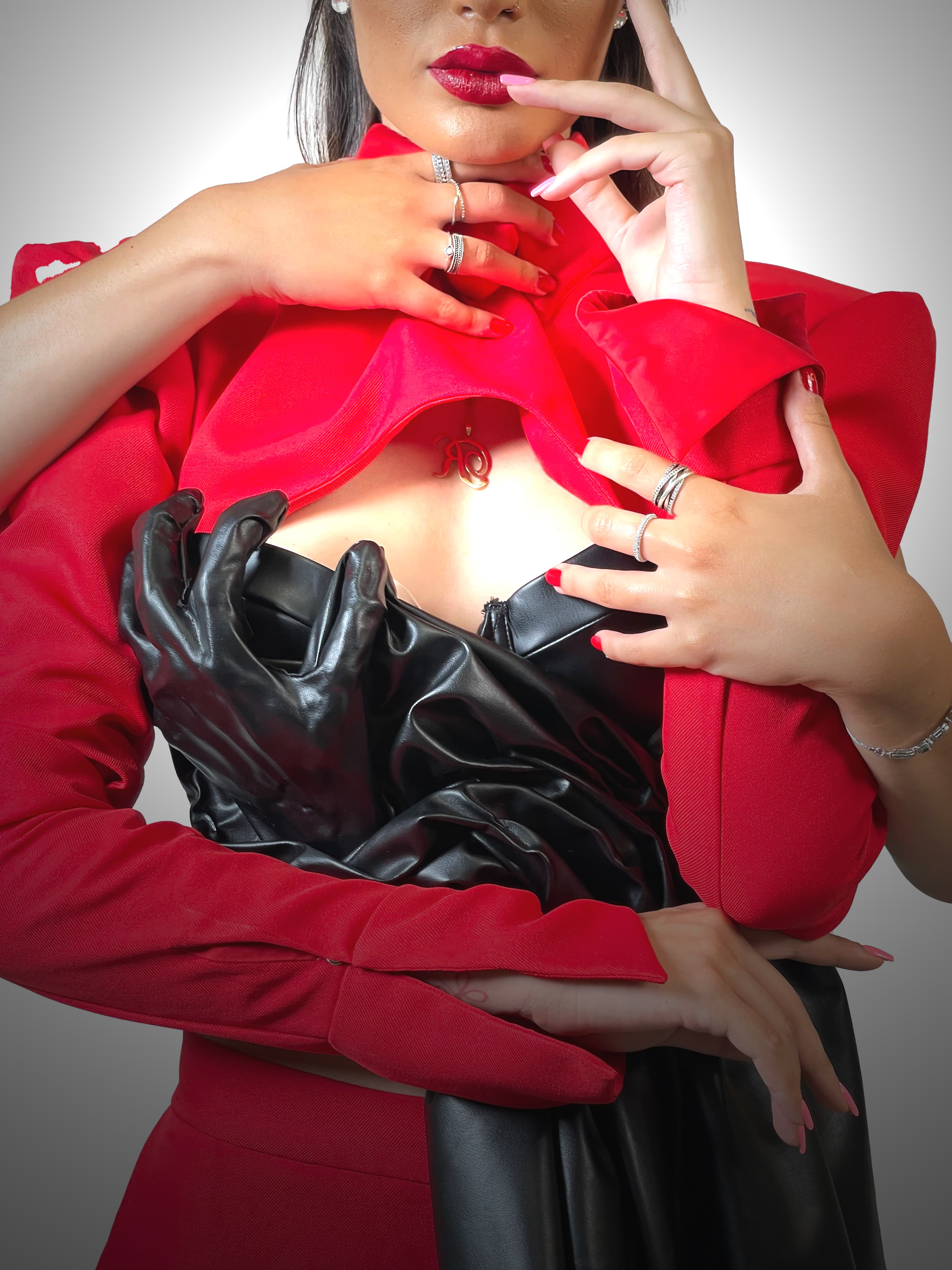
The FEDE European Bachelor in Fashion Styling and Techniques is a programme devoted to fashion creation and to the design and making of garments.
- Language
- Bilingual
- French and English
- Duration
- 3 years
- Including 2 years of Fashion Foundation
- Credits
- 180 ECTS
- Intake
- September
The programmeFashion Bachelor.
This programme trains professionals able to lead the complete creation of a garment, from the first idea to the finished piece, while balancing the aesthetic, technical and commercial demands of the market.
Across fashion styling, pattern making, garment construction, textile innovation and marketing thinking, these three years build a strong creative identity and a 360-degree professional outlook.
The programme deepens and structures what students have learnt by linking design, technique and management, through traditional and digital tools and a sharper understanding of the fashion market. Students develop a complete approach to the garment, from conceptual research to production, by way of drawing, pattern cutting, assembly and finishing. The programme supports the development of a personal stylistic language, backed by methodical rigour, innovation and the ability to respond to the industry’s current challenges.
Teaching is built on three pillars:
Fashion creation and design
- Style research and trends
- Illustration and the visual identity of a collection
- Textile exploration and collection design
Garment techniques and product development
- Pattern cutting and tech packs
- Garment construction and prototyping
- Development and production files
Fashion entrepreneurship and management
- Understanding the fashion market
- Managing the production chain
- Operational marketing
This programme enables students to…
- Design coherent collections suited to different markets
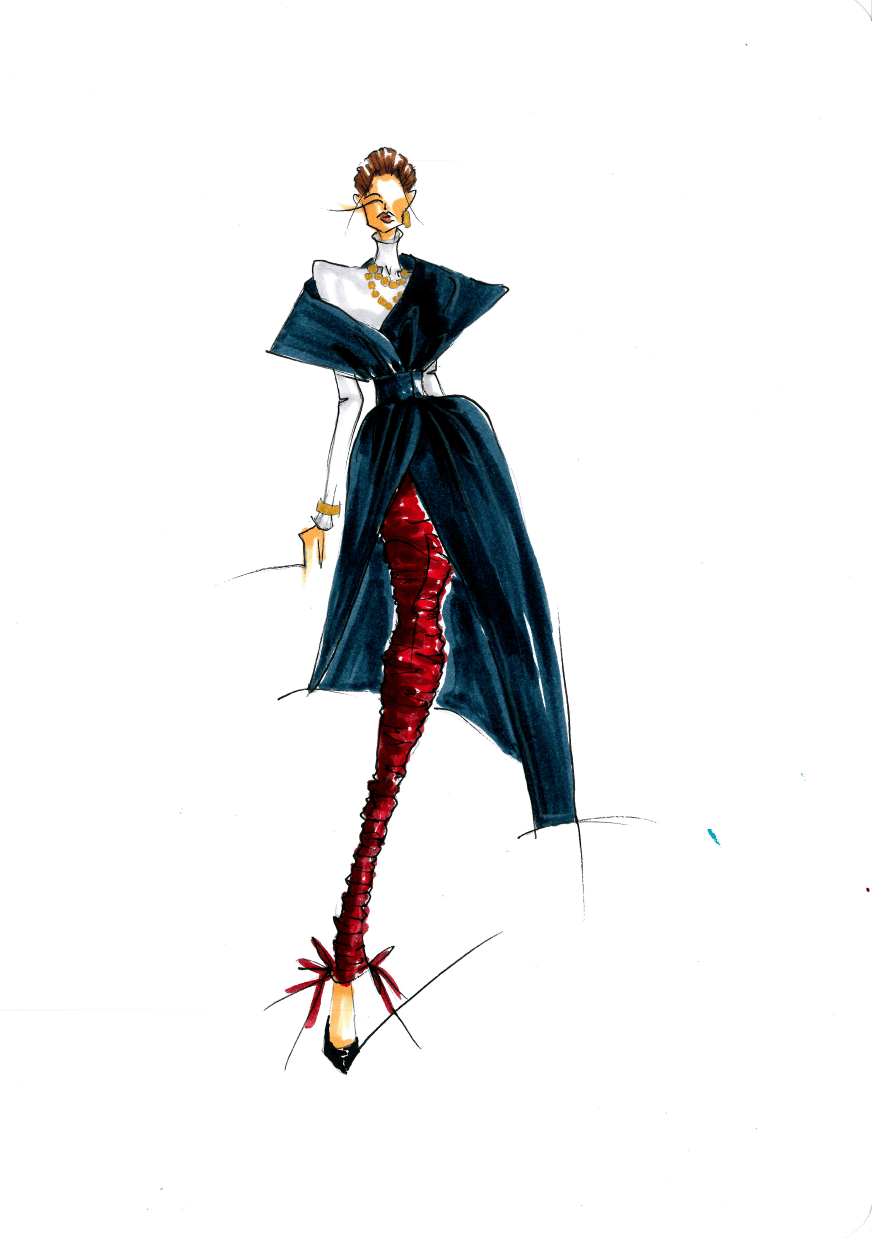
- Develop moodboards, lookbooks and fashion illustrations
- Draft patterns and turn them into garments
- Make prototypes and garments with professional finishing
- Produce technical files and follow a complete production process
- Understand the economic and marketing stakes of the fashion industry
The emphasis is on independence, creativity, methodical rigour and the ability to defend a reasoned artistic vision.
Three years,one specialisation.
Years 1 and 2 · Shared foundation
Fashion Foundation
After two years of the Fashion Foundation, students have acquired the essential basics of fashion styling, pattern making and sewing. Combining practice and creativity, their studies also cover fashion culture and the basics of fashion management and marketing. They are introduced to collection design, textile experimentation and garment-making techniques.
See the Fashion Foundation programmeYear 3
Bachelor
The Bachelor builds on what students have learnt with a complete, career-focused approach to fashion creation. In the third year, the programme combines a core of shared teaching with a choice of three specialisations, so that each student can assert their expertise.
For every Fashion Bachelor
The common core
Whichever option they choose, every student follows a programme of essential professional techniques:
- 01Fashion design practice
- 02Entrepreneurship
- 03Final project
- 04Languages and European project
The three possible choices
Option 1
Bachelor in Fashion Styling and Techniques
The classic route to versatile expertise. It strikes a perfect balance between fashion styling (design) and pattern making (technique), ideal for mastering the whole value chain of a collection.
Option 2
Bachelor in Fashion Design
This route focuses on 3D design and on exploring today’s fashion scene. It develops a conceptual, forward-looking and innovative approach to fashion design.
Option 3
Bachelor in Pattern Making and Sewing
With a focus on high technical skill, this option concentrates on digital tools and the current challenges of garment making, deepening the purely technical development of the garment.
The programme thus prepares students to enter the workforce or to continue their studies, while asserting a creative identity and in-depth technical mastery.
What youwill study.
The Fashion Bachelor combines shared teaching with specialisation modules. This structure ensures everyone acquires the same fundamentals while allowing each student to build expertise specific to their path.
Following on from the Foundation, this module consolidates the creative, technical and methodological skills acquired in the first years. Teaching in design, fashion drawing, visual research, textiles, pattern cutting and garment construction lets students deepen their command of the creative process, from concept to finished garment, while gradually developing their own approach.
“Before it is a style, fashion is a craft.”
— Marc Bohan Designed to complement creative training with a practical understanding of the industry, this module offers an immersion in the professional fashion ecosystem and its many trades. It explains the mechanisms that structure the industry, from the design of a product to its sale.
Students build knowledge of design, production and distribution cycles. The programme also covers marketing, points of sale, communication and the specialist press.
“The best way to predict the future is to create it.”
— Peter Drucker The culmination of the programme, the final project lets each student show they can draw on all the skills acquired during their studies. Carried out as a personal project supervised by the teaching team, it is based on an approved theme linked to the courses taken and the student’s own direction.
The work involves a complete process of research, analysis, design and making. It invites students to explore a specific theme in depth, develop an independent method and deliver a coherent result.
Alternatively, a work placement in a company, approved in advance by the school and completed outside the course schedule, may replace the project. In that case, what the student has learnt is set out in an activity report and a detailed analysis.
“Fashion is not something that exists in dresses only. Fashion is in the sky, in the street; fashion has to do with ideas, the way we live, what is happening.”
— Coco Chanel Designed in line with FEDE’s official framework, this module addresses intercultural management and collaboration in international settings. Students develop an understanding of cultural differences, of how communication works within multicultural teams, and of the human issues raised by mobility and the internationalisation of professional activity.
To this end, the school helps students prepare for the FEDE assessments through revision sessions, case studies and mock exams, so they can approach the exams with method and confidence.
In addition, continuing the bilingual immersion of the Foundation years, the programme encourages regular practice of French and English, preparing students to work in the international creative and fashion industries.
“Culture cannot be inherited; it must be conquered.”
— André Malraux
Fashion design and garment techniques
Following on from the Foundation, this module consolidates the creative, technical and methodological skills acquired in the first years. Teaching in design, fashion drawing, visual research, textiles, pattern cutting and garment construction lets students deepen their command of the creative process, from concept to finished garment, while gradually developing their own approach.
“Before it is a style, fashion is a craft.”
Expertisemodules.
See below how the expertise modules are shared out, and find the key courses of each Bachelor.
Fashion Design
IncludedThis module deepens the cultural, creative and technical dimensions of fashion design. By studying the history of clothing, social phenomena, current trends and changing uses, students come to understand fashion as a cultural expression and a vehicle of identity.
Teaching also covers textiles, styling and the digital tools used in today’s professional practice. Students gain a broad view of the industry while developing the skills needed to design and develop fashion projects.
“Fashion is never just a question of clothes, but a way of understanding the world around us.”
— Miuccia Prada Styling and Collections
Not includedThis module helps students build a personal creative universe and assert their identity as designers. By developing collections, they learn to turn a creative intention into coherent proposals that carry a clear position and a singular vision.
Teaching explores silhouette creation, collection structure and product development, while encouraging students to adapt their approach to different sectors of the fashion industry. Menswear, childrenswear, occasion wear, knitwear, lingerie and accessories are all fields of exploration that broaden their product culture and their understanding of the many markets of fashion.
“People buy with their eyes.”
— Diana Vreeland Garment Techniques
IncludedThis module validates skills in pattern cutting, cutting and assembly, while strengthening the technical command needed to make a wide variety of accomplished garments. It also certifies knowledge of developing complex set designs and personal creations, production methods, specific assembly and finishing techniques, made-to-measure garments and alterations.
“Dressmaking is the architecture of movement.”
— Pierre Balmain Construction and Production
Not includedThis module centres on technical experimentation and on understanding manufacturing processes, in an approach that links design and making. Teaching focuses on turning a creative intention into a real product, taking into account the technical, functional and production constraints of the fashion industry.
Students deepen their garment construction methods to develop suitable solutions and better judge the feasibility of their projects. The module also covers producing manufacturing files, including technical sheets, the choice of materials and assembly sequences. The process covers the key stages of developing a garment: pattern cutting, technical assembly tests, prototyping, fittings, technical adjustments and approval of the design.
“Perfection is achieved not when there is nothing more to add, but when there is nothing left to take away.”
— Antoine de Saint-Exupéry
Afterthe programme.
The Bachelor prepares students for a wide range of careers in the fashion industry, in design, product development, production and collection management. Graduates can work in design studios, textile companies, trend agencies, and production and distribution businesses, but also in communication, event marketing, fashion shows, editorial styling and trend forecasting. The skills they acquire also give them the technical and creative grounding to develop their own professional projects.
Possible careers include
Design, Styling & Image
- Fashion designer
- Fashion illustrator
- Styling and image assistant
- Image consultant
- Trend consultant
Pattern Making & Technical Development
- Pattern maker
- Assistant pattern cutter
- Sample maker
Production, Construction & Workshop
- Manufacturing technician
- Garment technician
- Dressmaker / Alterations specialist
- Costume maker
Management, Logistics & Merchandising
- Collection coordinator
- Production coordinator
- Fashion manager
- Visual merchandiser
- Fashion editor
A questionabout the programme?
For more information, get in touch through the contact page, or directly by email, phone, WhatsApp or Telegram.
Other programmes
All programmes